Blog
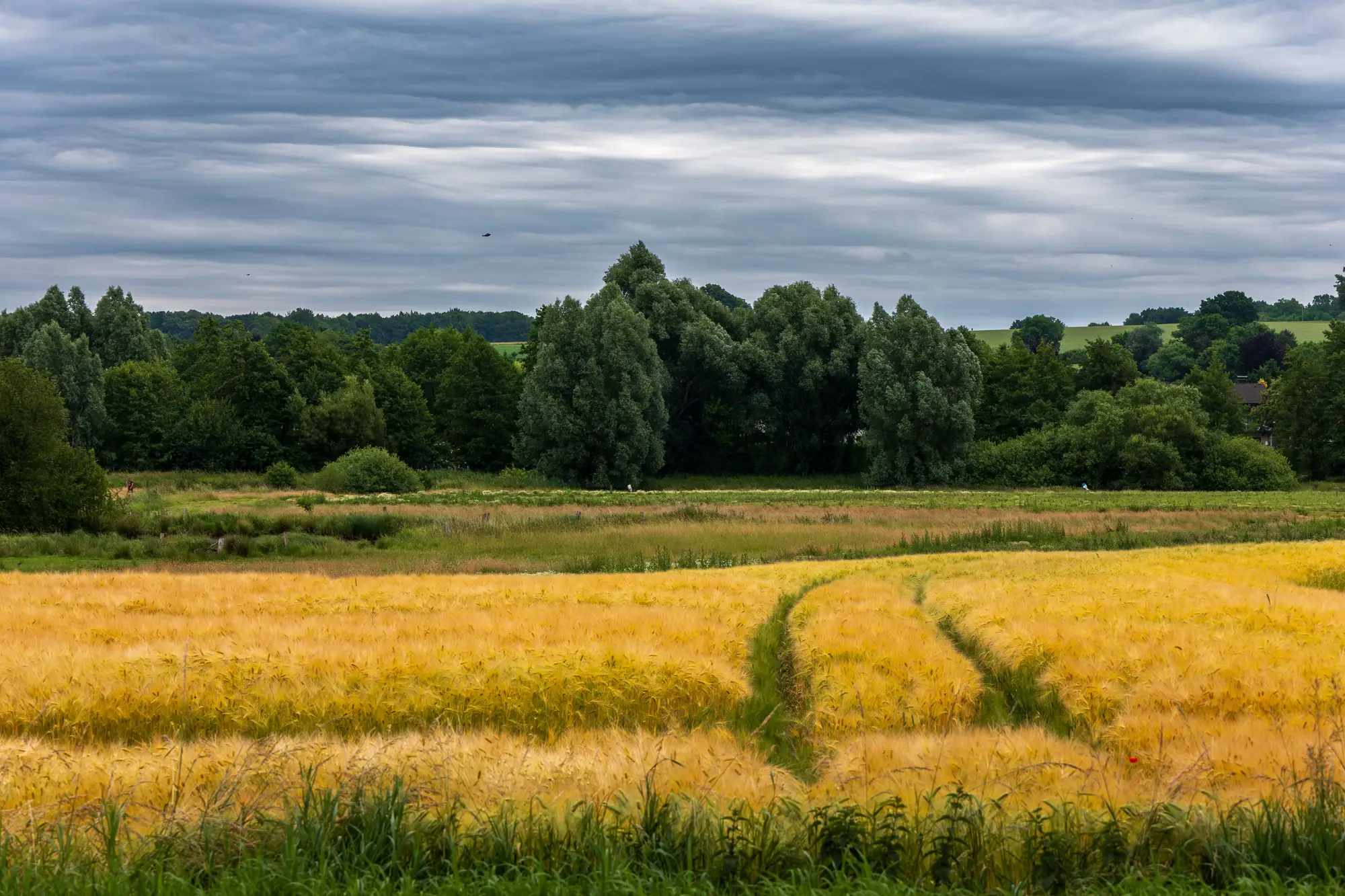 Field notes: the hedge line that explained why the cropmark stopped dead
A ditch cropmark runs true across a barley field, then vanishes at a hedge boundary. What the hedge line is telling you, and what it isn't.
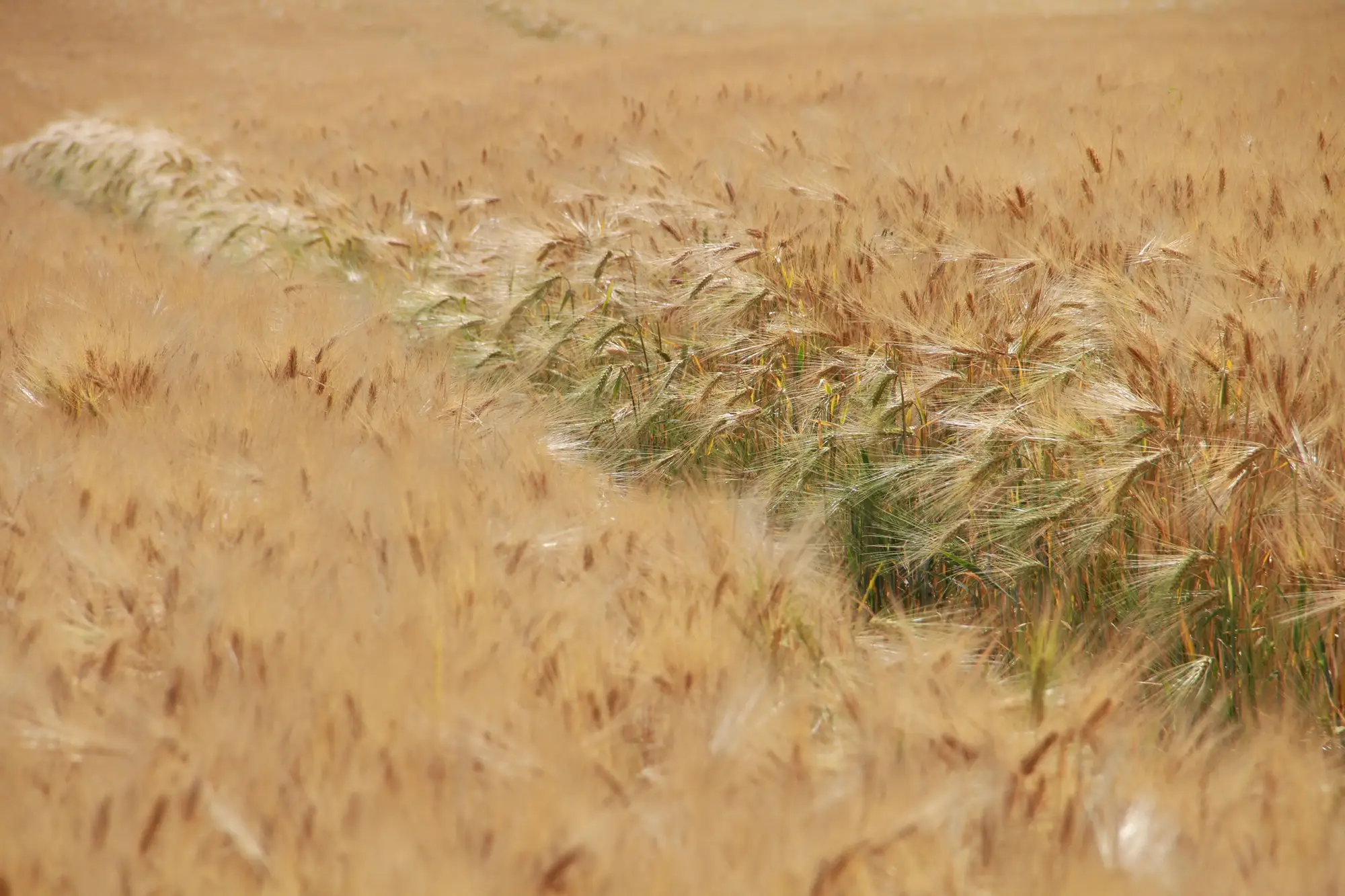 Positive vs negative cropmarks: what's the difference?
Positive cropmarks trace buried ditches and pits. Negative cropmarks trace buried walls and rubble. How to tell the two apart before you write the DBA.
 Requesting archive aerial photography from Historic England before a DBA
How to order Historic England Archive aerial photos and NMP data for a desk-based assessment, and what to expect from the HER in parallel.
 Watching brief vs desk-based assessment: what's the difference?
A field director's plain breakdown of what a watching brief is, how it differs from a desk-based assessment, and when a planning condition asks for each.
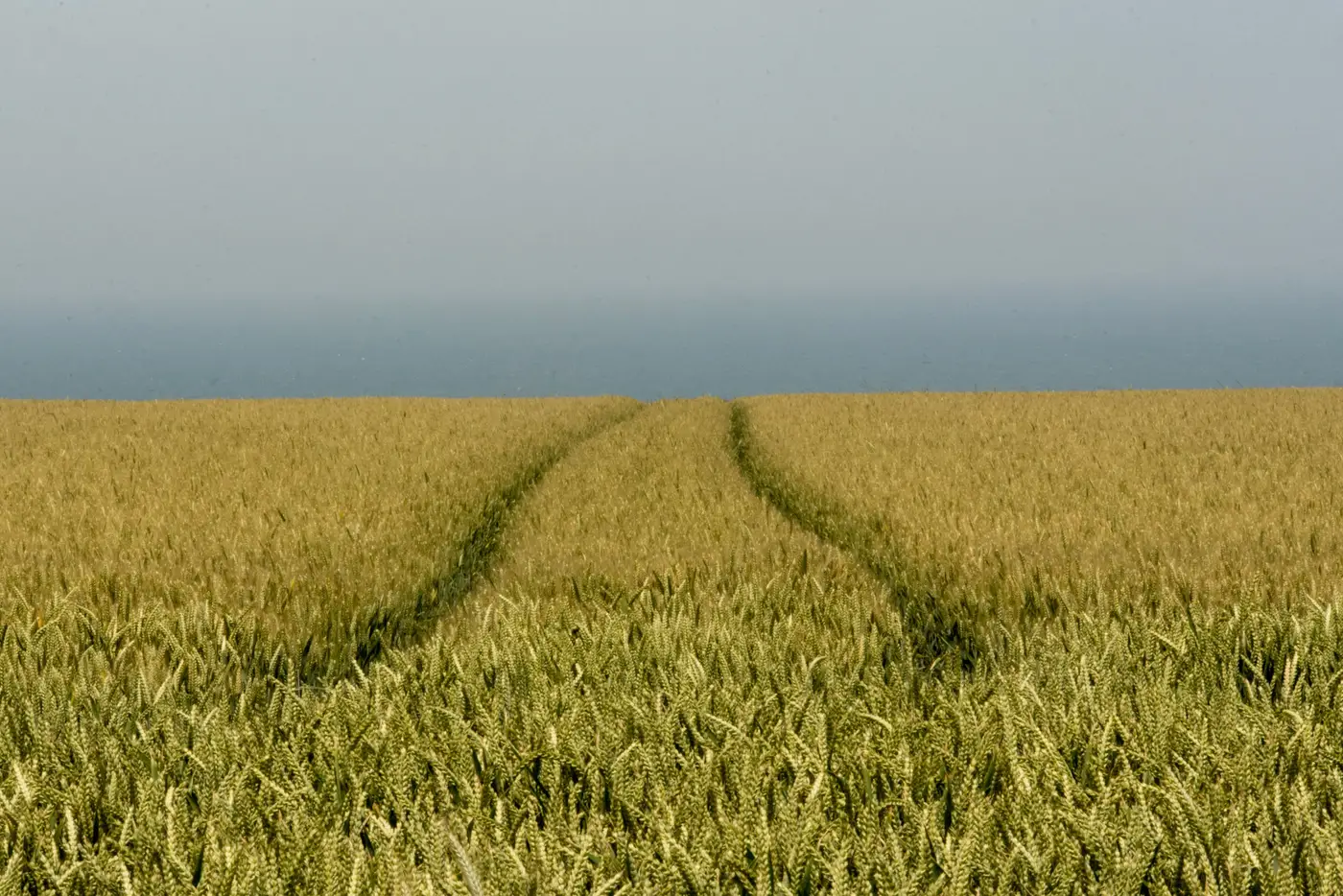 Field notes: the drought summer every clay-cap parish finally gave up its cropmarks
A field-notes essay on the drought summer that broke clay-cap geology's usual resistance to cropmarks, and what it means for desk-based assessment work.
- Which soil types actually show cropmarks: a DBA reference
A field director's quick reference on which drift geology produces cropmarks, and where clay and alluvium let you down.
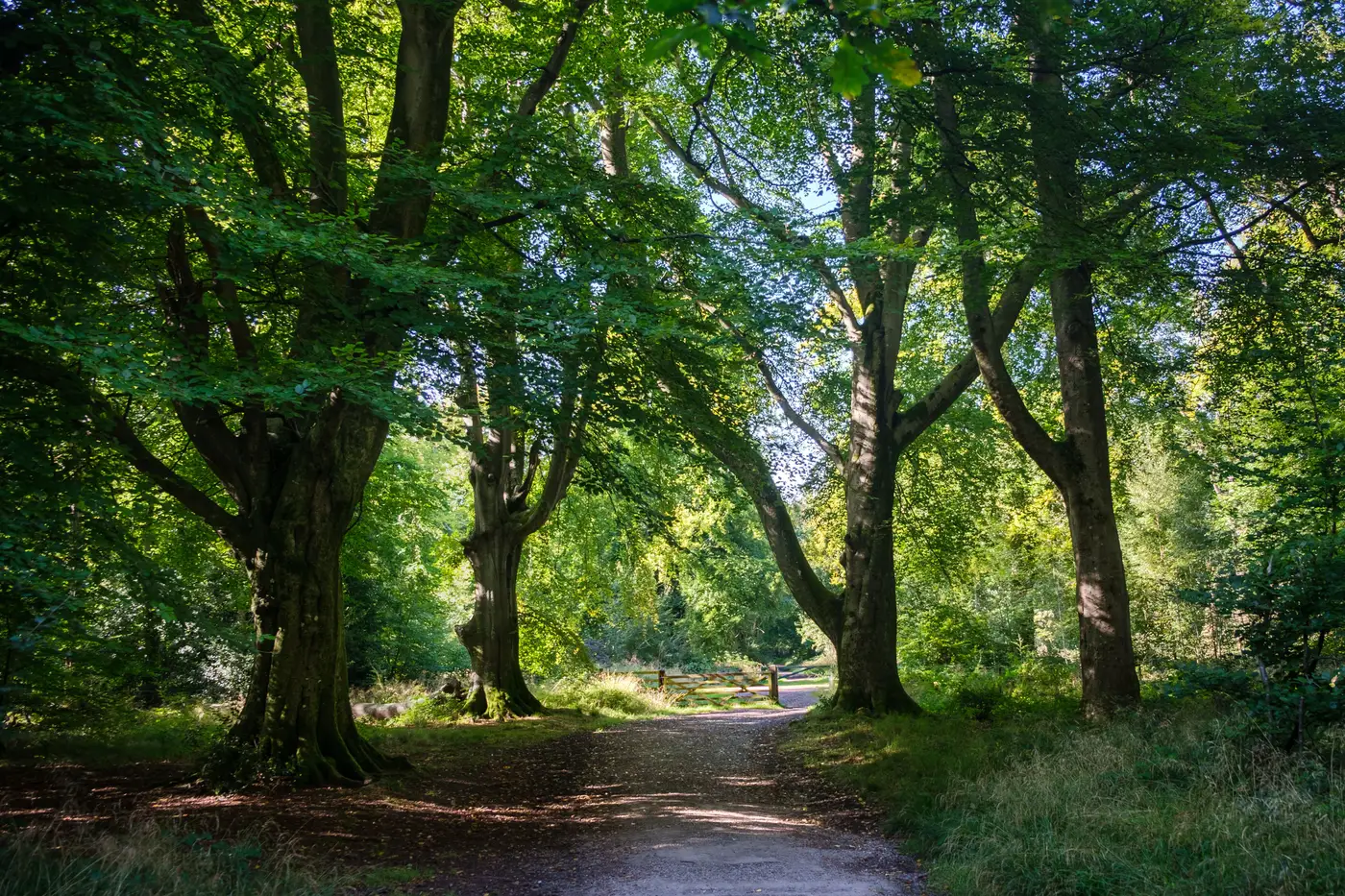 Lidar vs NIR imagery for spotting earthworks under woodland
Why lidar reads buried earthworks under tree cover and NIR cropmark imagery can't, and how to pair both across a mixed-ground desk-based assessment.
- Trial trench evaluation: what it is and when a DBA recommends one
What a trial trench evaluation involves, and the desk-based assessment findings that typically push a DBA toward recommending one.
- Field notes: the June that put a ring ditch on every parish map
A dry June turned cropmarks up across the county. Field notes on the scramble to fly before the rain came back, and what that scramble costs.
- Soilmarks vs cropmarks: how to tell them apart
Soilmarks and cropmarks look alike in archive photos but form differently. How to tell soil colour change from differential crop growth in the field.
- How to read an HER search before a desk-based assessment
What an HER search tells you, what it doesn't, and how to read the gaps before you write the desk-based assessment.
 What is a written scheme of investigation (WSI)?
What a WSI covers, who writes it, and how it follows on from the desk-based assessment behind your planning condition.
- Briefing a geophysics contractor off a cropmark layer
How to turn a cropmark layer into a usable geophysics brief: grid placement, sensor choice and what to leave for the contractor to find.
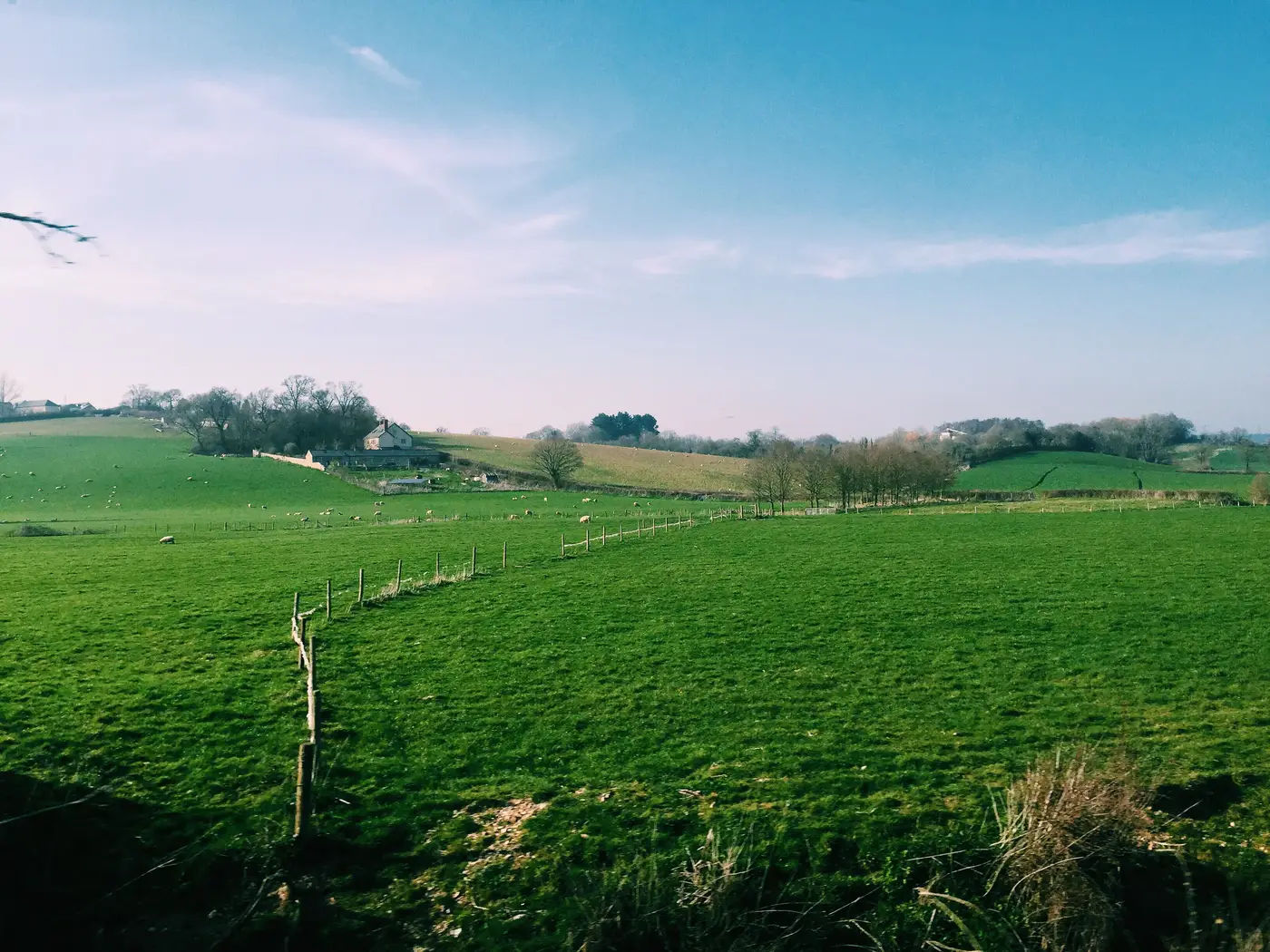 Parch marks vs cropmarks: what's the difference
Parch marks and cropmarks aren't the same signal. Here's how they form differently in grass and cereal, and what that means for a desk-based assessment.
- When cropmarks show: timing an NIR survey right
A field-by-field guide to the cropmark window: which crops show buried features first, how drought shifts timing, and when to fly NIR.
- NDVI vs true colour imagery for archaeological prospection
What NDVI and true colour imagery each reveal for cropmark surveys, and why a desk-based assessment often needs both.
- Palaeochannel or ditch? Reading linear cropmarks on aerial photographs
How to separate a buried watercourse from a cut feature on aerial photos, using planform, width and crop response as your evidence.
- What is a desk-based assessment in archaeology?
A plain explanation of what a DBA covers, where it sits in pre-determination work, and why cropmarks keep slipping through it.