Note
Trial trench evaluation: what it is and when a DBA recommends one
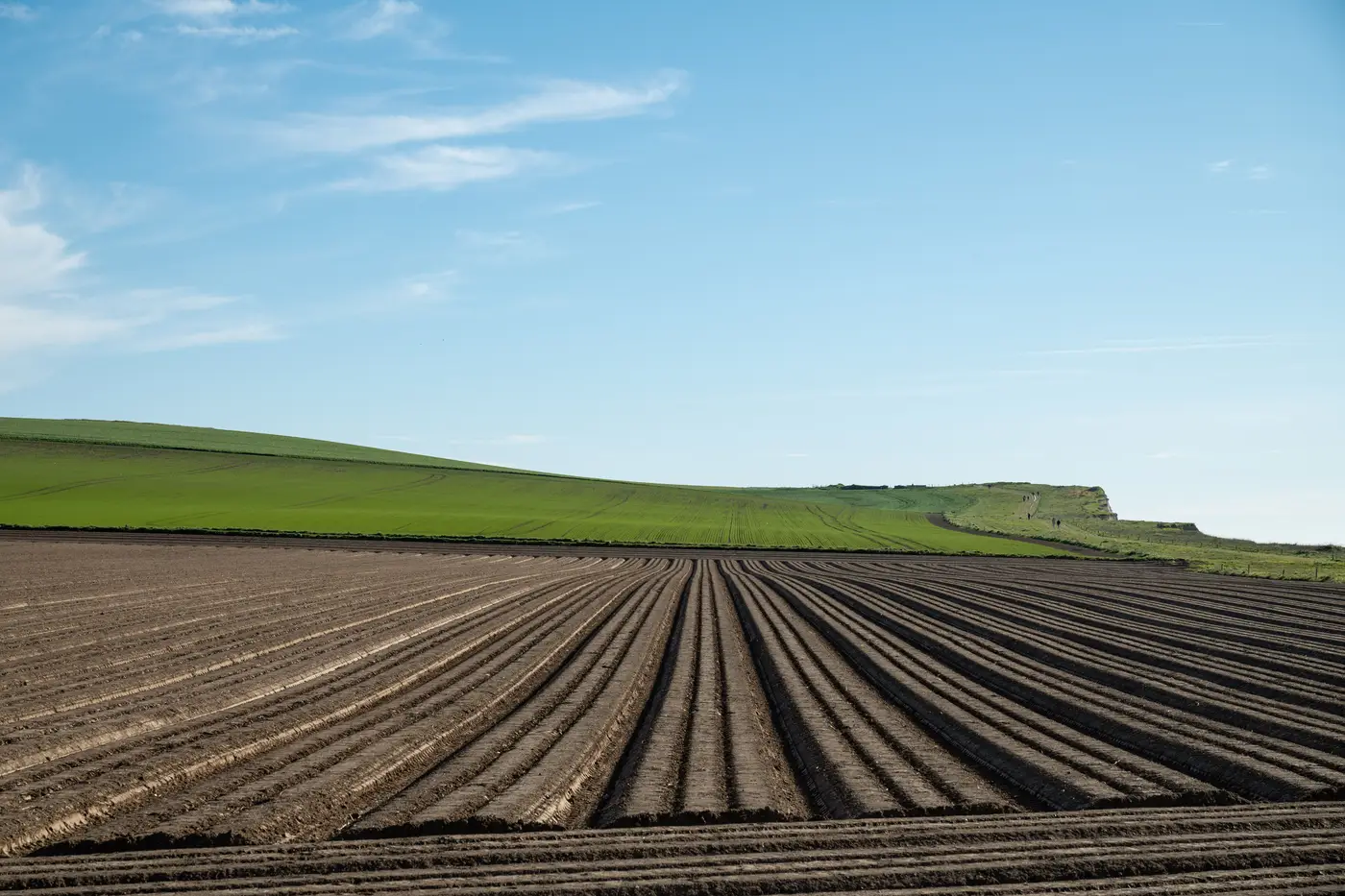
A trial trench evaluation is the stage that comes after the desk-based assessment and before anyone commits to a mitigation strategy. It's physical: a machine opens a sample of trenches across the site, usually following a sample percentage set out in the written scheme of investigation, and an archaeologist records whatever turns up in section and plan. It answers the question the desk-based assessment could only estimate: is there anything buried here, and if so, how deep, how well preserved, and how dense.
The DBA does the paper work first. It pulls together the HER data, historic mapping, geotechnical boreholes, LiDAR where it's available, and any aerial photo transcription on file. From that, the report writer makes a judgment call on archaeological potential, usually banded as low, moderate, or high, for each part of the site. Where that potential is moderate or high and nobody can resolve it from the desk alone, the DBA recommends a field evaluation, and trial trenching is the most common form that takes.
When a DBA recommends trenching instead of signing it off
Not every DBA ends in a trenching recommendation. Plenty conclude low potential and get waved through to determination, especially on small infill plots or sites already reduced to natural by previous groundworks. Trenching gets recommended when the desk sources point at something but don't resolve it well enough to write a mitigation strategy against.
That's the case on a greenfield parcel with a known cropmark complex nearby but no excavation record of its own. It's the case where the HER has a scatter of findspots from fieldwalking but nobody has ever trenched the field itself. It's also the case where historic mapping shows a building footprint that might survive below modern ground level, and nobody knows whether it was truncated by a Victorian cellar or a 1970s car park base.
The curator, usually the county or unitary archaeologist, is the one who mandates trenching as a planning condition, but a competent DBA flags the likely need before the application goes in. That's the point of doing it well: a client who learns in month one that trenching is probably coming can budget and programme for it, instead of finding out from a condition on the decision notice six weeks before groundworks are due to start.
What the DBA needs to get the trenching brief right
A trenching evaluation needs more than "dig some holes and see" as a brief. The written scheme of investigation has to set a sample percentage, a trench placement logic, and a rationale tied back to what the DBA found or suspected. Trench placement that ignores the desk-based findings wastes machine time on ground already known to be disturbed and under-samples the field edge where a cropmark complex keeps running.
This is where the DBA's own evidence base matters most. A report built on HER data and historic maps alone gives the curator very little to work with when it comes to siting trenches, because everything in the field looks equally likely or unlikely. A report that can point to a specific cropmark pattern crossing the site, showing where a ditch alignment or a cluster of pits sits relative to the proposed development footprint, lets the trenching strategy target the ground that needs testing and spend less on the ground that doesn't.
That's the gap a cropmark layer from NIR imagery closes before a single trench gets dug. Buried Feature Detection pulls differential crop growth out of satellite and aerial NIR imagery during the growing season and hands it back as a georeferenced layer, the kind of thing that drops straight into a DBA's site location plan or into QGIS alongside the HER data and historic mapping already on the desk.
None of this replaces the trenches. A cropmark showing a buried ditch still needs a section cut through it to confirm date, depth, and survival, and nothing short of that tells you what's actually in the ground. What it changes is how much guesswork goes into deciding where those trenches land, and how confidently the DBA can argue for or against a trenching condition in the first place.
If your next DBA is going to have to make that call, it's worth seeing what the cropmark layer looks like before you write the trenching rationale.